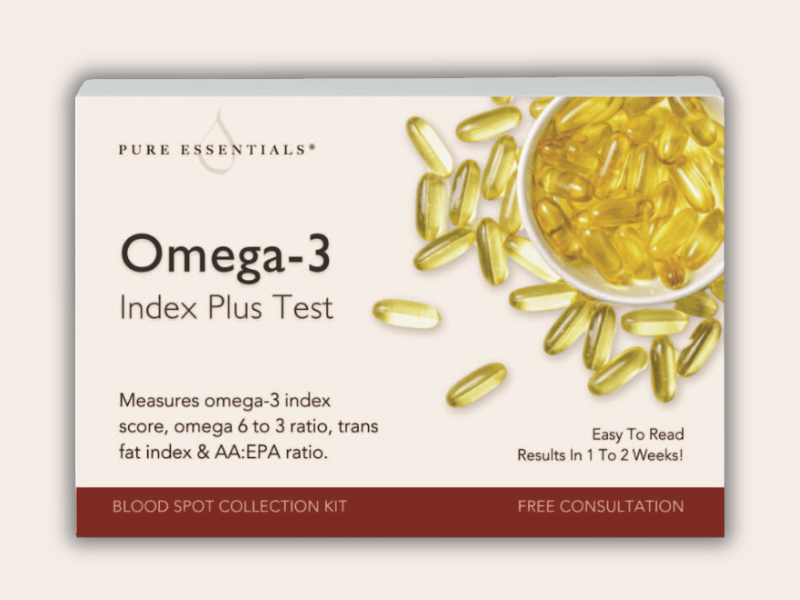
Every system in your body relies on water. It aids in digestion, regulates body temperature, cushions joints, and transports nutrients to your cells. Proper hydration also supports cognitive function and energy levels, helping you feel more focused and alert throughout the day. On a cellular level, omega-3 fatty acids play a key role in hydration, supporting the structure and fluidity of cell membranes. Without enough omega-3s, your cells may struggle to retain water effectively—a great reminder to include these essential fats in your diet!
Dehydration isn’t always about feeling thirsty. Subtle signs often go unnoticed, including:
- Fatigue or low energy
- Headaches
- Dry skin or lips
- Dark urine
- Dizziness or confusion
- Muscle cramps
Recognizing these symptoms early can prevent further issues and help you restore balance quickly.
Dehydration can result from more than just forgetting to drink water. Common causes include:
- Heat & Exercise: Sweating from physical activity or hot weather increases water loss.
- Illness: Fevers, diarrhea, and vomiting can rapidly deplete your fluids.
- Dietary Choices: High salt, sugar, or caffeine intake can exacerbate dehydration.
- Overhydration: Drinking excessive amounts of water can dilute essential nutrients, a condition known as hyponatremia. Research shows that overhydration may “wash away” electrolytes and nutrients your body needs to function effectively, creating imbalances that are just as harmful as dehydration.
Omega-3 fatty acids are vital for maintaining hydration and supporting the skin's natural moisture barrier. They strengthen cell membranes, which are essential for preventing water loss and maintaining a supple complexion. By improving the skin's barrier function, omega-3s combat dryness and dehydration, leaving skin softer and smoother. Their anti-inflammatory properties further enhance hydration by reducing irritation and redness, contributing to a healthier, more radiant appearance. Ensuring adequate omega-3 intake is a simple way to promote hydrated, youthful-looking skin.
The goal isn’t to guzzle gallons of water but to hydrate thoughtfully with a balance of fluids and nutrients.
Good, Better, Best: What to Drink
When it comes to hydration, not all beverages are created equal. Let’s break it down:
- Good: Basic options like plain water or herbal teas are solid choices. They hydrate effectively without additives but lack additional nutrients to support electrolyte balance.
- Better: Coconut water, homemade fruit-infused water, or lightly salted broths. These beverages provide natural electrolytes like potassium and sodium, replenishing what your body loses during activity or heat exposure.
- Best: Drinks that combine hydration with additional health benefits, like electrolyte-enhanced waters, unsweetened plant-based smoothies, or beverages rich in omega-3s (think flaxseed added to your smoothie).